
Edge AI in 2026 | Private, Fast, On-Device Intelligence for Real-Time Workloads
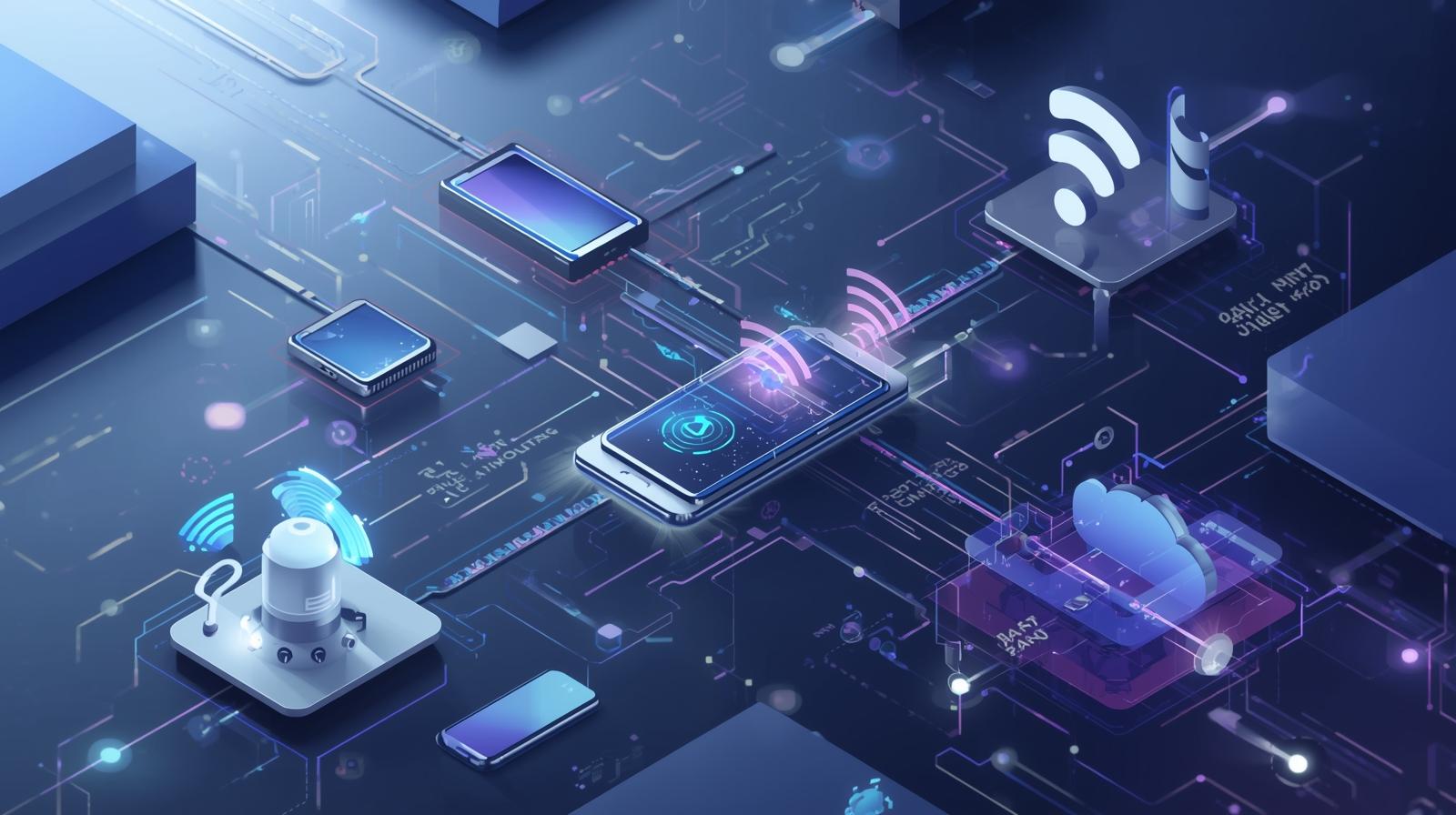
Edge AI shifts AI workloads closer to where data originates. Instead of processing everything in the cloud, inference happens directly on devices, sensors, laptops, and vehicles.
🔥 Why Edge AI Is Accelerating
- Lower latency for real-time tasks
- Reduced cloud costs for inference
- Better privacy and sovereignty controls
- Minimal reliance on connectivity
- On-device NPUs and GPUs ramping performance
🚀 1) Key Edge AI Use Cases
- Automotive driver assistance and vehicle autonomy
- Industrial IoT predictive maintenance
- Mobile personal intelligence on phones
- Retail offline visual checkout systems
- Healthcare local diagnostics and imaging
⚙ Deployment Architecture Considerations
- Model quantization and compression
- Secure enclaves and encrypted execution
- Hybrid cloud-edge orchestration patterns
- Telemetry pathways for feedback and evaluation
Final Take
Edge AI unlocks low-latency intelligence and privacy-by-design architectures. In 2026, organizations will mix cloud and edge deployments for performance, safety, and cost balance.
Related Services
Explore Caxtra services connected to this topic.
Need help with this?
Our team specializes in ai development services and can help you plan, build, and launch the right solution for your business.

Caxtra
Company
Related Articles
AI Agents for Business in 2026 | Real Use Cases, Costs & How to Get Started
AI agents are moving from hype to ROI. Discover practical business use cases, what they cost to build, and a simple roadmap to deploy your first agent in 2026.
AI Chatbot for Your Website in 2026 | Cost, Technology & ROI Explained
Thinking about adding an AI chatbot to your website in 2026? Here is what it costs, the technology behind it, and how to measure real return on investment.